

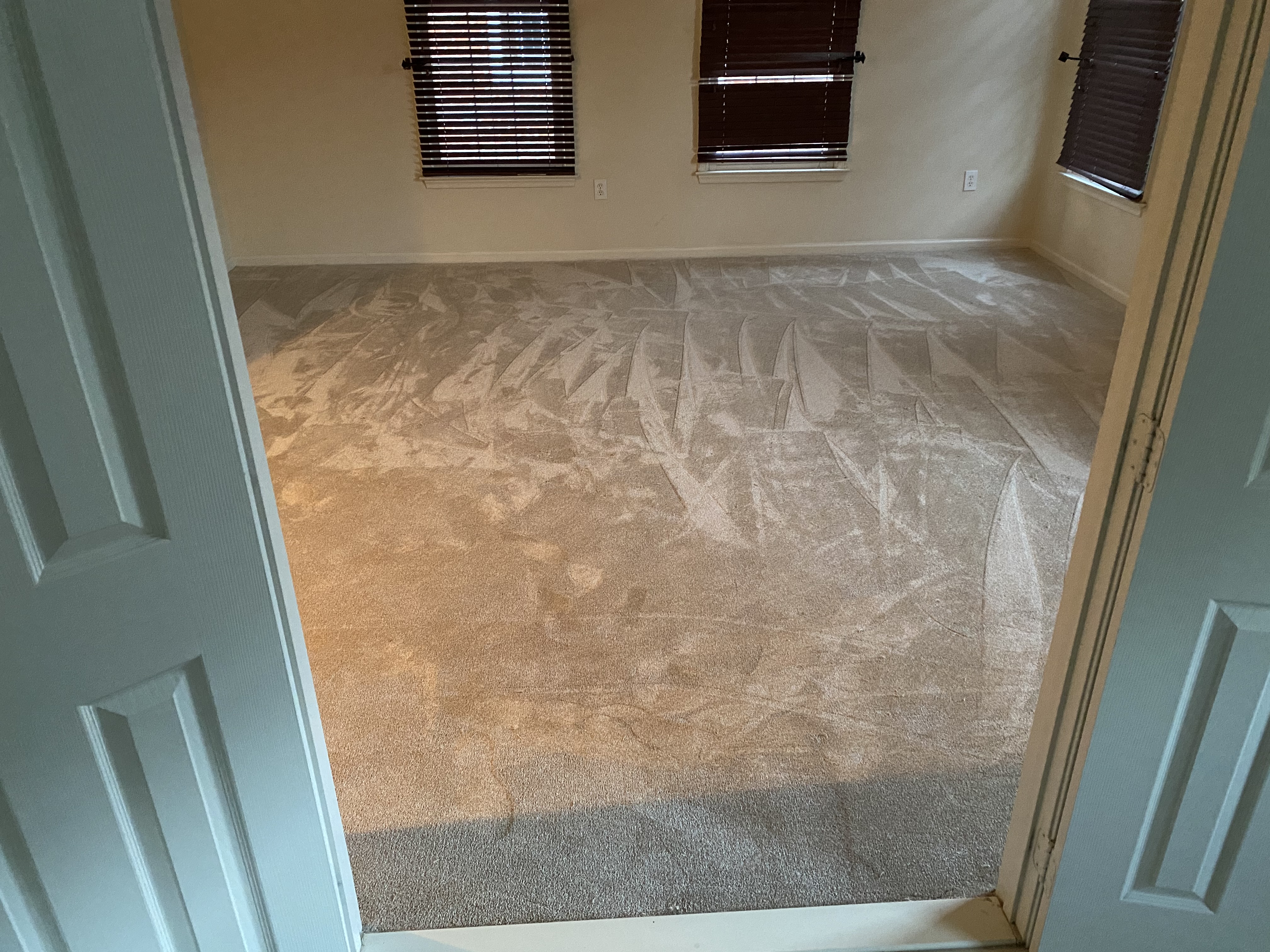
A family with kids, a dog, and a steady stream of sandy shoes does not need a fussy floor. In many Southern California homes, carpet still makes the most sense in bedrooms, playrooms, and upstairs halls because it softens noise, feels better underfoot, and makes daily life a little easier. The trick is choosing a product that can handle spills, traffic, and weekend cleaning without looking tired after a year.
Start with fiber, because that decides the upkeep
The easiest way to narrow the field is by fiber type. If you want carpet that stands up to heavy use, resists crushing, and cleans up well, nylon carpet is usually the safest bet. It costs more than entry-level options, but in a busy house, the better texture retention often pays for itself.
If budget matters just as much as cleanup, polyester can still work in lower-stress rooms, but it is not always the best choice for stairs or the main family path. For households that want softness without giving up stain performance, SmartStrand is worth understanding because SmartStrand stain-resistant carpet fiber is built around easier spill cleanup rather than just a topical treatment. That difference matters when juice, pet accidents, and snack spills are part of normal life.
Construction matters as much as softness
A carpet can feel great on day one and still be wrong for the room. Plush styles show footprints and vacuum lines more easily, which some families do not mind, but others find annoying within a week. In active homes, loop and berber carpet often hides traffic patterns better and tends to look more consistent between cleanings.
That said, not every loop is ideal if you have pets with sharp nails or kids who drag toys across the floor. In those cases, a tightly made textured cut pile can be the better middle ground. We usually tell customers to think less about what feels soft for ten seconds in the showroom and more about what will still look presentable after school drop-off, dinner, and one quick vacuum pass.
Think about your room, your sunlight, and your timeline
What works in a quiet guest room may not work in a family room or upstairs landing. In Los Angeles homes with big windows, constant sun can fade some materials faster than people expect, so color choice and room exposure should be part of the decision. Lighter neutrals often do a better job of masking lint and everyday dust, while mid-tone patterns can disguise wear in high-use areas without making the room feel dark.
For families in Anaheim or farther inland where heat and dust are harder on interiors, practical selection matters more than trend chasing. If you are comparing broad options across bedrooms, hallways, and rental units, our carpet catalog helps you sort by the features that actually change maintenance. And if you want a quick refresher on padding, pile, and what affects long-term wear, carpet basics lay out the differences in plain language.
The best low-maintenance choice is usually the honest one
There is no single carpet that solves every problem. A landlord turning a unit in Riverside may prioritize cost and fast replacement, while a homeowner may care more about comfort and stain resistance in the kids' rooms. Contractors usually need something dependable, available, and realistic for the schedule. After five decades in business, we have learned that the best recommendation is usually the one that fits how the room is actually used, not the one with the flashiest sample.
Mill Sales keeps the conversation practical. We help families compare fibers, construction, and wear expectations so they do not overbuy, and we also help people avoid the cheapest option when it will create more headaches six months later.
If you want help narrowing down the right fit for your home, you can start with a free flooring estimate.