

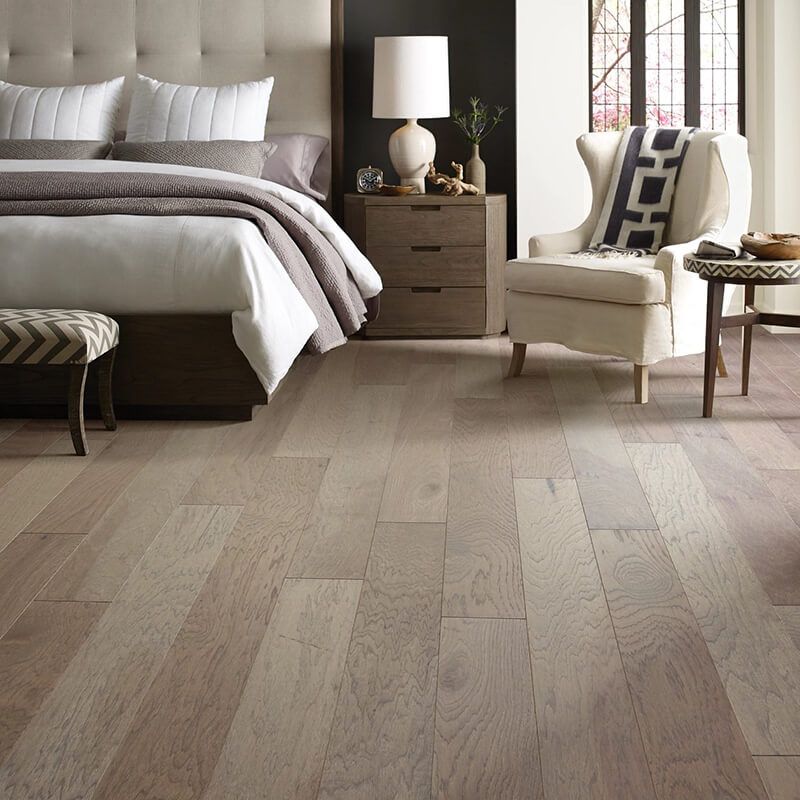
A lot of eco-minded flooring decisions start the same way: you pull up an old floor, look at the slab underneath, and realize the “greenest” choice is not always the one with the best marketing. In Southern California, material lifespan, installation method, sun exposure, and replacement cycles matter just as much as the label on the box. If a floor fails early, moves too much over concrete, or shows wear fast in a busy household, it usually creates more waste in the long run.
Start with durability, not buzzwords
For most homeowners, landlords, and even contractors working on practical remodels, the floor that lasts and fits the house is often the more responsible choice. That is one reason laminate deserves a serious look. Today’s laminate options give buyers a hard-wearing surface that can handle everyday traffic without the cost and maintenance demands that come with some natural materials.
That matters in places like Pasadena, where many homes have large windows and strong daytime light. UV exposure can age any floor over time, so choosing a surface that holds up well under normal family use helps reduce early replacement. If you want a more realistic grain while still keeping the project grounded in value, textured laminate can deliver a wood-look visual without asking you to take on the movement concerns of solid wood over slab.
Installation realities affect the environmental outcome
A product can sound eco-friendly on paper and still be the wrong fit for the structure underneath. Much of the housing stock across our market sits on concrete, which changes the conversation. Floating floors tend to install cleanly, adapt better to minor slab variation, and handle normal movement well, especially in earthquake-prone areas where a little flexibility is not a bad thing.
That is where basic product education helps. If you are weighing wear layer, core construction, and what daily use really looks like, our laminate flooring basics break down the practical differences in plain English. We have seen plenty of buyers assume “natural” automatically means lower impact, but a floor that needs extra moisture control, added height buildup, or an earlier replacement can cancel out that advantage quickly.
Hardwood still makes sense when the conditions are right
Hardwood belongs in the conversation because longevity is a real environmental benefit when the product is suited to the home. The key is being honest about which construction performs better here. In lower-humidity stretches and during Santa Ana conditions, solid planks can gap and shrink more than people expect, especially over concrete. For many Southern California remodels, engineered hardwood is the more stable path because it gives you real wood with better dimensional control.
That is especially true farther inland around Anaheim, where heat and dry air can put more stress on wood than coastal buyers may realize. We are not against solid hardwood; we just think the greener decision is the one that avoids preventable failure. After more than five decades in business, Mill Sales has learned that responsible recommendations are usually the less romantic ones: match the material to the house, the climate, and the budget.
The best choice is the one you will not need to replace soon
Eco-conscious buying is usually less about perfection and more about avoiding waste. A landlord turning a unit fast may need a durable, in-stock surface that will survive the next tenant without a full redo. A homeowner may want the warmth of wood in one room and a tougher, easier-care surface in another. A contractor may simply need something dependable that will stay on schedule and hold up after handoff.
If you want to see how real projects come together in everyday spaces, our recent flooring work gives a clearer picture than a showroom slogan. And if you are ready to compare practical options for your own home or project, you can request a free flooring estimate and we will help you sort through what makes sense.


