

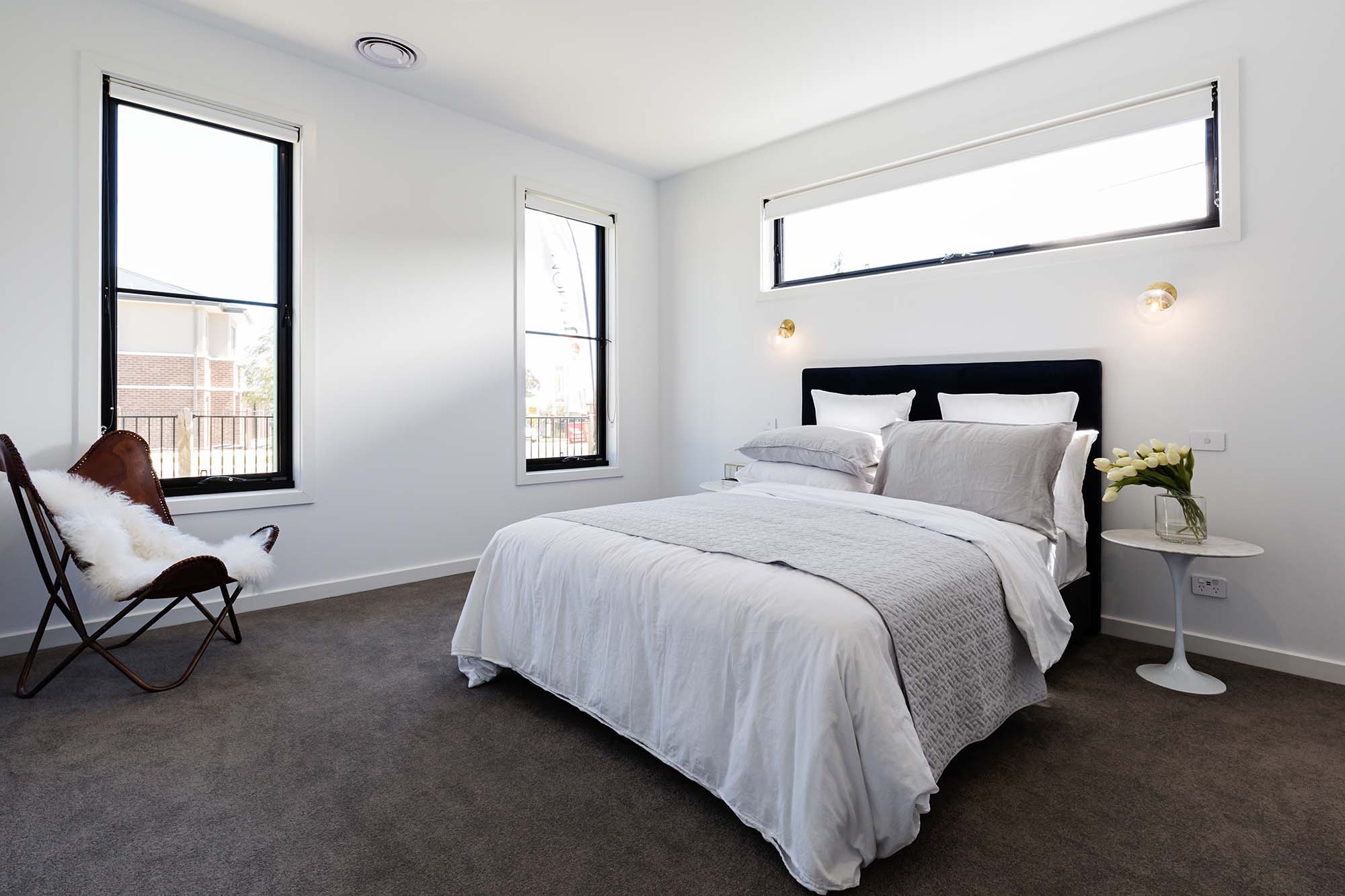
An upstairs bedroom can sound fine at noon and miserable by 10 p.m. Footsteps carry, chair legs scrape, and every dropped phone charger seems louder than it should. In a lot of Southern California homes, especially two-story builds and townhouse remodels, the wrong floor turns normal movement into a daily irritation for the people below.
Carpet does the most to soften noise
If your main goal is reducing sound between levels, carpet is usually the strongest first option. It absorbs footfall better than hard surfaces, cuts down echo inside the room, and makes upstairs spaces feel calmer right away. That matters in family homes, rentals, and any layout with bedrooms over a living room or home office.
The biggest difference is not just fiber. It is the combination of face style, cushion, and overall density. We often tell people to start with the carpet types we carry and then narrow by how the room is used, because a playroom, hallway, and primary bedroom do not need the same surface.
The right construction matters more than most people think
Some styles naturally handle traffic and sound better than others. A softer surface can feel quieter underfoot, but durability still matters if the room gets constant use. In homes around Pasadena and Long Beach, we often see people focus on color first and only later realize that texture and construction have a bigger effect on how the floor performs day to day.
For upstairs rooms, cut-pile carpet is often a practical choice because it helps mute step noise while keeping a comfortable feel. If the room needs more structure for kids, pets, or heavier wear, pet-friendly carpet can make more sense than a softer style that shows traffic too quickly. The point is to balance quiet with real-life use, not chase one feature and ignore the rest.
Laminate can work upstairs, but only with the right expectations
Some homeowners simply do not want carpet in every upstairs room. Allergies, easier cleanup, or a more uniform look often push the conversation toward laminate. That can be a good option, but it is important to be honest about tradeoffs: a hard surface will usually transmit more impact noise than carpet unless the underlayment and subfloor details are handled well.
That is why we frame laminate as a style and maintenance decision first, then a sound-control project second. If you want to compare visuals, laminate flooring options can give you the wood-look range that many people want without moving into hardwood pricing. It also helps to understand how floating floors behave over common local construction, so a quick read through laminate basics can save you from choosing on appearance alone.
Upstairs noise problems are usually installation problems too
Flooring does not work in isolation. Subfloor condition, transitions, and the cushion or pad underneath all affect what people hear downstairs. In inland areas like Rancho Cucamonga, where homes can heat up hard in summer, material movement and room conditions also affect long-term performance, especially with floating products.
After more than five decades in business, we have learned that the quietest result usually comes from matching the material to the room instead of forcing one look everywhere. If you want to see how finished spaces come together in real homes, our recent flooring projects show the difference that product choice and proper installation make.
If you are weighing carpet against laminate for an upstairs room, we can help you sort out what will actually feel quieter, hold up better, and make sense for your budget. The best next step is to request a free flooring estimate from Mill Sales.